Subsea desalination
What goes down must come up.
AquaAether is a subsea desalination company. We make desalinated water on the seafloor, and service our plants at sea level for a fraction of the cost of servicing at depth.
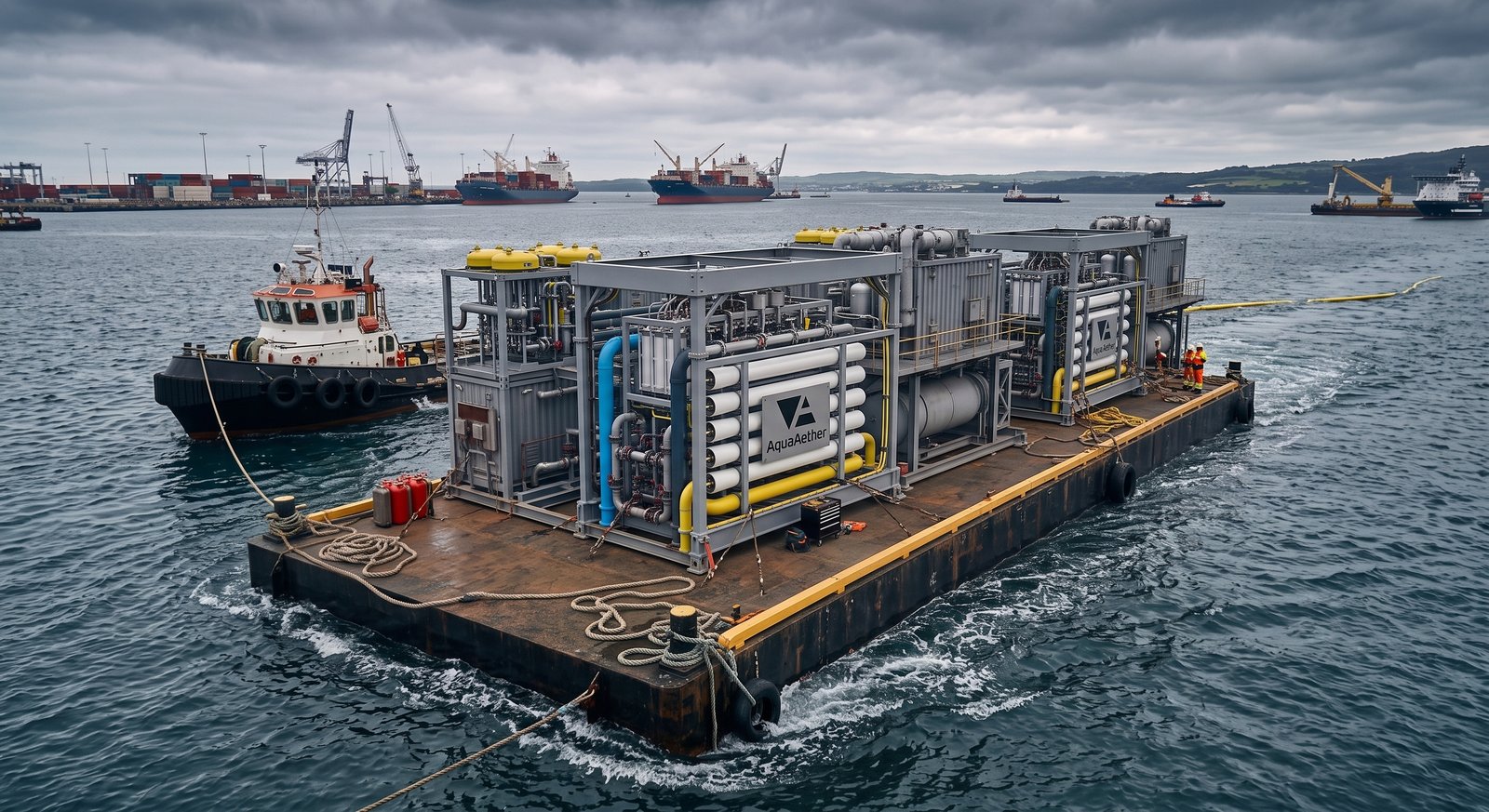
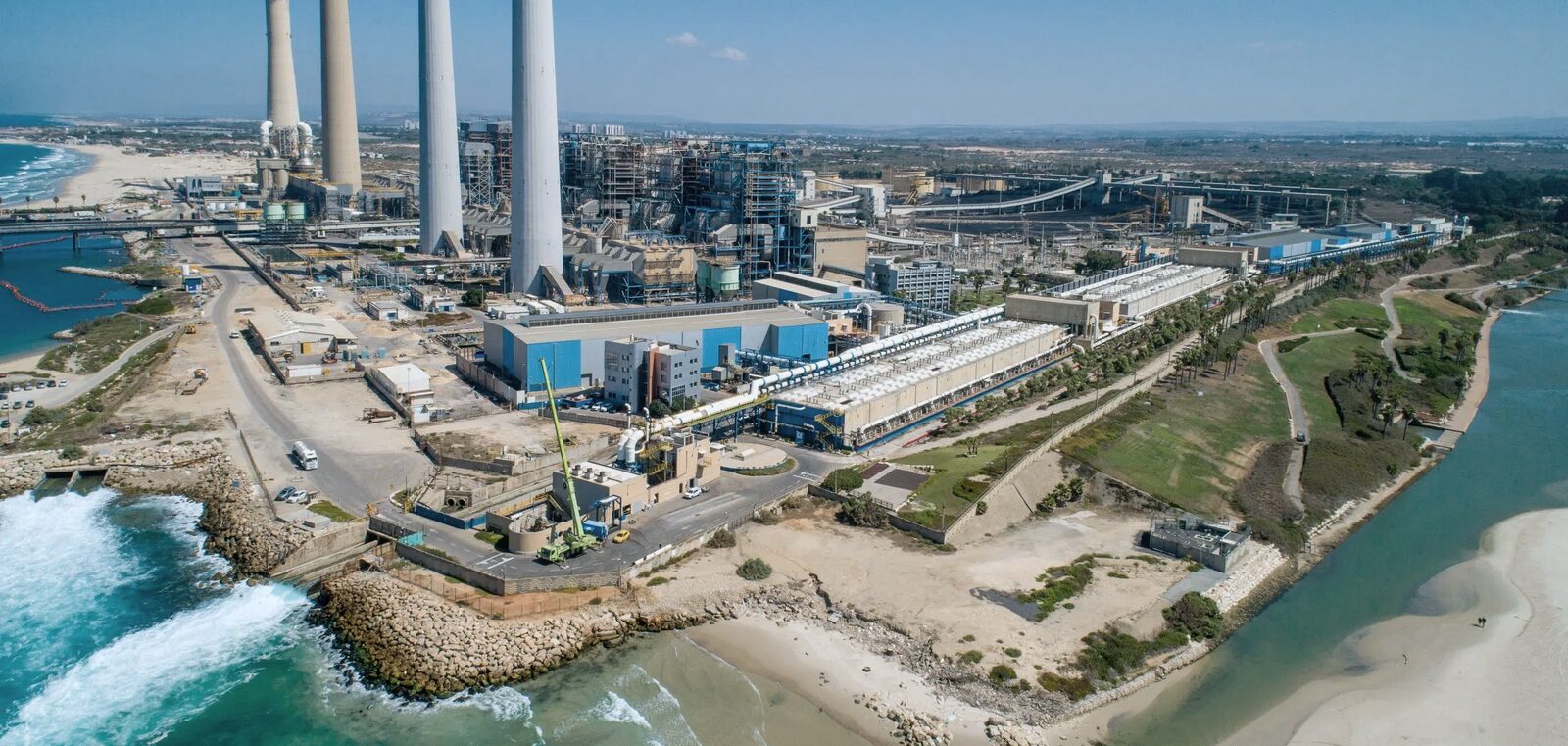
The land-based model is broken.
01
Energy-inefficient and expensive.
High-pressure pumps force seawater through the membranes.
02
Environmentally unsafe.
Brine goes back into shallow coastal water, where it harms marine life.
03
Open to disruption.
On the shoreline, desalination plant infrastructure is heavily exposed to security risks.
04
Premium real estate.
Land-based plants need large coastal sites, beside cities, ports and resorts that want the same land.
At depth, the ocean brings pressure to save energy.
Every 10 m of water adds 1 bar of hydrostatic pressure. On land, pumps have to create that pressure and pay for it in energy. At an optimal depth of 300 m+, the ocean supplies it. [2]
At depth
pumped ashoreBrine dispersed
at depth
The weight of the ocean presses seawater through the membrane assisted by negative pressure from a suction pump.
Up to 50% less energy consumed [3] [4] · Schematic · not to scale
Subsea desalination: a complete solution.
01
Up to 50% less energy. [3] [4]
Depth does the pressurising. Land plants spend 2.5–4.0 kWh/m³ making that pressure. [5]
02
Lighter on the environment.
Sited on bare sand, away from reefs and kelp. Safe brine discharge. Removable.
03
More secure.
Coastal plants are exposed infrastructure, creating security risks. A plant 400 m down is out of sight and out of reach.
04
Coastline freed up.
The plant is on the seabed, not the beachfront. Only a pipeline and a cable come ashore.
05
Cleaner water at depth.
There’s less organic matter at depth, so less pre-filtration before the membranes. [4]
But… at 400 metres you may as well be on the moon.
The pressure that makes depth valuable makes plant and equipment extremely difficult and expensive to maintain and service.
This is how a module is serviced today.
01
Divers stop at 100 m.
Below that, hands-on work cannot happen.
02
Crewed submarines stop at 300 m.
Below that, it’s remote or nothing.
What goes down must come up.
AquaAether is talking to investors, operators and engineering partners.
or write to hello@aquaaether.com